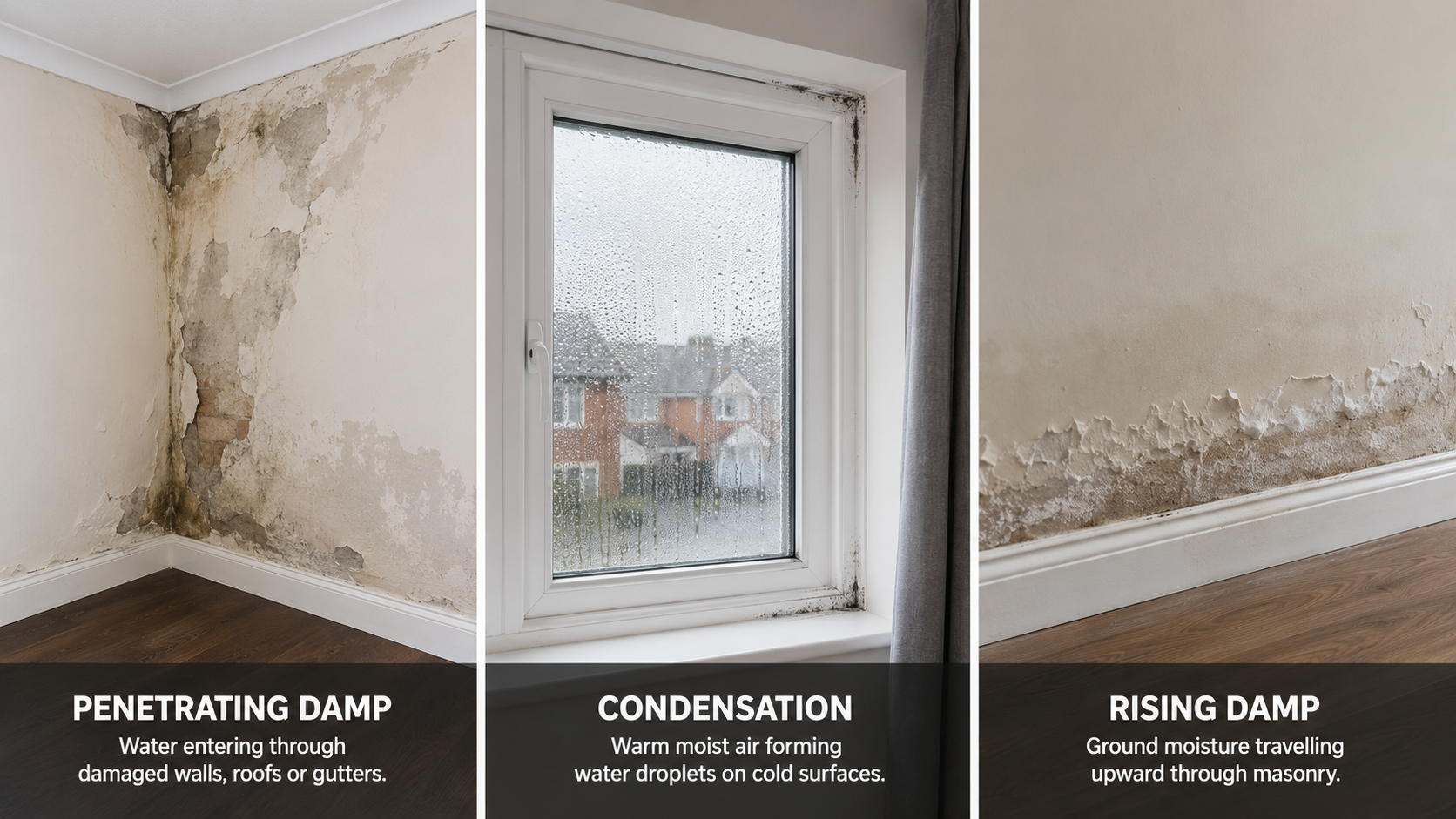
You wake up, pull the curtains, and there it is again. Beads of water sliding down the glass. You wipe them away, but by tomorrow morning, they are back. It feels like a small problem, but it makes the room colder and slightly damp.
That daily film of moisture is not just bad weather. It is your home quietly telling you that the air, heat, and humidity are out of balance. And while a bit of misting might seem harmless, regular condensation on windows overnight can cause black mould, peeling paint, and swelling in timber frames.
Before you can stop it, you need to understand what is really happening.
Why Condensation Appears on Windows Overnight
Night-time is when the air inside your home settles and shows what is really going on. During the day, doors open, people move around, and the air keeps circulating. At night, everything is still and sealed.
Warm air holds more moisture than cold air. When that warm air cools down overnight, it can no longer hold as much water. The excess turns into droplets, and the coldest surface nearby is usually your window glass.
You will notice condensation on windows overnight most often:
- In bedrooms, because breathing releases moisture while you sleep
- On cold mornings after a clear night
- When the room is poorly ventilated, or the window is single-glazed
- If curtains or blinds are fully closed, trapping air against the glass
What Causes Condensation Inside Windows Overnight
Indoor moisture is the most common reason windows mist up while you sleep. Every normal household activity adds water vapour to the air. Cooking, showering, and even drying laundry indoors all release moisture. When this air meets a cold windowpane, it cools, and water droplets form.
You will see it more often during cold months when windows stay closed, and heating is on. The temperature gap between the warm room and the cold glass widens, making condensation form more easily.
Constant condensation on the inside of windows is a warning sign. It means your humidity levels are too high or your ventilation is too low. If it happens every night, it can damage timber frames and encourage mould to grow on the sill or around the corners of the room.
Quick Insight: Even small amounts of moisture that stay overnight can feed mould spores. A slightly damp window frame can stay wet for hours before drying, especially in cold rooms.
How to Stop Condensation on Windows Overnight
You can’t control the weather, but you can control what happens inside your home. Stopping condensation on windows overnight is about striking a balance — maintaining enough warmth without trapping moisture. It takes a few steady changes rather than one big fix.
1. Reduce Moisture at Its Source
Most of the water that ends up on your windows starts inside your home. The less you release into the air, the less that can settle overnight.
Simple things help more than you might think:
- Cover pans when you cook
- Use extractor fans in bathrooms and kitchens
- Keep the internal doors shut when showering or boiling water
- Avoid drying clothes indoors, or do it in a well-ventilated space
Every bit of steam adds up. Reducing it throughout the day makes nights drier.
Quick Insight: One average load of laundry can release up to two litres of water into the air. That moisture has to go somewhere, and it often ends up on the coldest window in the house.
2. Ventilate Before Bed
When the day ends, the air inside is usually full of moisture. If you seal it in, it condenses overnight.
Open windows briefly before sleeping or use trickle vents if your windows have them. A few minutes of airflow helps replace damp indoor air with drier outdoor air.
If your bedroom feels stuffy in the morning, that is a sign you need more ventilation overnight.
Expert Tip: Even on cold nights, a quick five-minute window opening before bed can make a visible difference by morning. It balances humidity without losing too much heat.
3. Keep the Room Slightly Warm
Condensation forms when surfaces get cold enough for moisture to settle. Keeping your room at a steady, low temperature can help prevent this.
It doesn’t mean running the heating full blast. A consistent temperature keeps windows from cooling too much.
Thermostatic radiator valves or low overnight heating can work well, especially in bedrooms where windows face the cold morning air.
Practical Step: If your windows always mist in one room, check how that space is heated. Cold corners and uneven warmth often mean the air can’t circulate properly, letting condensation build up.
4. Move Furniture Away from Windows
It’s easy to forget that curtains, blinds, and furniture can block airflow. When heavy items sit close to windows, the air behind them stays still and cooler, creating the perfect pocket for condensation to form.
Pull furniture a few inches away from walls and keep curtains slightly open at night to let warm air circulate.
5. Use a Dehumidifier
If your home feels persistently damp, a dehumidifier is one of the most direct fixes. It quietly pulls moisture from the air and can run safely overnight.
You’ll especially notice the difference in rooms with little ventilation, such as small bedrooms or home offices.
For a quick test, check how your windows look after a week of use. Fewer mist means it’s working.
Expert Tip: Modern dehumidifiers often have automatic settings that keep the humidity around 50 per cent — ideal for both comfort and window health.
6. Improve Air Circulation
Condensation thrives in still air. Create gentle movement by keeping internal doors open during the day and using extractor fans or air vents. Ceiling fans on a low setting can also keep air moving without making a room colder.
Quick Insight: Good airflow is the cheapest way to reduce condensation. It works hand in hand with warmth — the two balance each other out.
7. Check Your Windows and Seals
Sometimes the issue isn’t the air inside but the window itself. If the seals around the glass are worn or broken, cold air can creep in, cooling the surface faster and making moisture stick.
Check the rubber seals and frames for gaps or cracks. Resealing can make a big difference in keeping the glass temperature steady.
Practical Step: Run your hand around the window edges on a windy day. If you feel a draft, it’s time to reseal.
8. Try a Window Insulation Film or Secondary Glazing
Adding an insulating layer helps stop cold air from meeting warm, moist air. Window film kits are affordable and easy to apply during winter. They trap a thin cushion of air between the film and glass, keeping the inside surface warmer overnight.
Secondary glazing does the same job more permanently by adding a second pane inside your existing frame.
Quick Insight: Even a small rise in glass temperature can stop condensation from forming altogether. Insulation works not by drying the air, but by making the surface too warm for water to settle.
Long-Term Fixes and Maintenance for Persistent Condensation
If condensation keeps returning no matter what you try, the issue often runs deeper. At that point, you are not just dealing with damp air — you are dealing with how your home breathes, insulates, and manages heat.
These steps take more effort but can stop the problem for good.
1. Upgrade to Double or Triple Glazing
Single-glazed windows are the most common cause of repeated condensation. They cool down quickly at night, giving moisture an easy surface to cling to.
Modern double and triple-glazing keeps the inner glass much warmer. The air or gas between the panes acts as insulation, which reduces how much the inner surface cools.
If you already have double glazing but still see fog between the panes, that means the seal has failed and moisture has entered. In most cases, you’ll need to replace the unit.
Quick Insight: The inside of double glazing should never mist up. If it does, the window has lost its airtight seal and can no longer insulate properly.
2. Add Trickle Vents or Passive Air Inlets
Good ventilation works quietly in the background. Trickle vents — those small adjustable slots at the top of newer windows — let stale air escape while drawing in fresh air.
If your windows don’t have them, a professional can install passive air inlets. They provide gentle, constant airflow without large gaps or draughts.
Practical Step: Keep trickle vents open all year round, even during winter. Closing them traps humidity that then shows up as condensation overnight.
3. Improve Loft and Wall Insulation
Cold surfaces attract moisture. The more evenly your home retains warmth, the less likely condensation is to form. Proper insulation keeps walls and ceilings closer to room temperature, so warm air does not hit sudden cold patches.
Insulating a loft is often the easiest first step. It prevents warm, moist air from cooling too quickly when it rises. External wall insulation, though more expensive, helps even more by keeping surfaces dry and stable.
Expert Tip: A home that holds its heat also holds fewer damp spots. Insulation works hand in hand with ventilation — one keeps warmth in, the other lets moisture out.
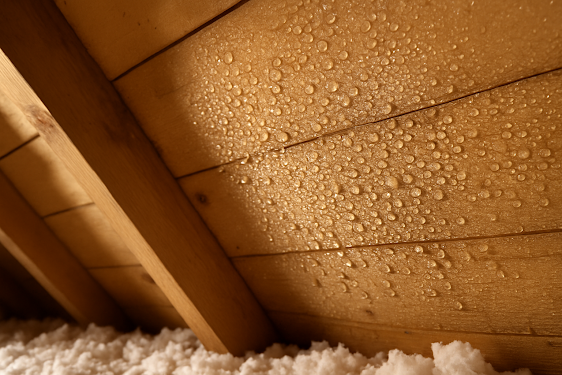
Our other related guide you may find useful: Condensation in Lofts: Hidden Moisture Problems
4. Maintain Heating Consistency
Turning the heating on and off sharply during cold weather creates constant shifts in air temperature. Those fluctuations make condensation worse.
A steady background heat — even slightly lower — keeps the whole space balanced.
Smart thermostats can help by maintaining a gentle warmth overnight without wasting energy.
5. Inspect and Clean Window Frames Regularly
Condensation can hide behind mouldy seals or dusty corners. Clean window frames and sills often, and check for signs of damp or peeling paint.
Once mould appears, it spreads fast and can damage timber or uPVC frames. Wiping surfaces dry in the morning and keeping them clean reduces that risk.
Quick Insight: If you notice black specks returning even after cleaning, that’s a sign of persistent moisture beneath the surface. It usually means your humidity is still too high.
6. Consider Whole-Home Ventilation Systems
For homes that stay damp despite good habits, mechanical ventilation might be the answer. Systems like Positive Input Ventilation (PIV) draw fresh air in through the loft and push it gently through the house, forcing moisture out.
It is a quiet and energy-efficient fix for persistent humidity, especially in older or airtight homes.
Practical Step: Ask a professional to check your indoor humidity levels before installing any system. You might discover that a small adjustment — like an extractor upgrade — achieves the same effect.
7. Keep an Eye on Humidity Levels
Even if everything feels fine, it helps to monitor. A simple hygrometer costs little and tells you when the air is getting too moist. Aim to keep indoor humidity between 40 and 60 per cent.
Once you start tracking it, you’ll see patterns — maybe your bathroom raises it, or drying laundry does. That makes it easier to fix the root cause.
Expert Tip: Checking humidity weekly is the fastest way to spot problems before they turn into mould or window damage.
8. Get a Professional Assessment
If you have tried every measure and still wake up to dripping windows, it’s worth calling in an expert. They can check for hidden leaks, poor insulation, or unnoticed airflow issues.
A qualified surveyor or building specialist can use moisture meters and thermal cameras to identify cold spots you might not see. From there, they’ll suggest the most effective long-term fixes.
Final Thoughts
Condensation on windows overnight is rarely a single issue. It’s how temperature, moisture, and air movement interact inside your home.
Short-term fixes like wiping and airing help, but the lasting solution is balance — warm, dry air that can move freely.
If you start with simple daily changes and work your way toward better insulation and ventilation, the difference will show within weeks.
Your mornings will feel lighter, the air will smell fresher, and the windows will finally stay clear.
FAQs about Condensation on Windows Overnight
1. Why does condensation only appear on some windows overnight?
It often happens when the airflow is poor or the glass is colder than in other rooms. Bedrooms and bathrooms are common spots because they trap warm, moist air with little ventilation overnight.
2. Does keeping blinds open prevent condensation?
Partly, yes. Closed blinds or heavy curtains stop warm air from circulating against the glass, which makes the surface colder. Leaving a small gap allows air to move and can reduce overnight moisture build-up.
3. Is condensation on windows a sign of poor insulation?
It can be. Windows that lose heat quickly tend to attract more condensation. Improving insulation, either through double glazing or window film, keeps the glass temperature stable and helps prevent moisture from forming.
4. Will a dehumidifier running overnight stop window condensation completely?
It can make a major difference, but only if the root cause is indoor humidity. If windows are very cold or seals are damaged, you’ll still see misting even with a dehumidifier on.
5. Can houseplants cause condensation overnight?
Yes. Plants release moisture through transpiration, which can raise humidity levels in closed rooms. If condensation is a problem, move a few plants to better-ventilated spaces or reduce watering at night.
6. Why does condensation appear even with double glazing?
If it’s on the inside of the inner pane, it means indoor humidity is high. If it’s between the panes, that’s a failed seal, and the unit needs replacing. The inner surface should stay dry if the window is sealed properly.
7. Can using heating constantly make condensation worse?
If the heating dries out the air too much during the day, moisture can build quickly once it cools down at night. The best fix is a steady, moderate temperature rather than on-and-off heating cycles.