What is Rising Damp? All You Need To Know
Rising damp is one of the most common issues UK homeowners face, yet many people don’t recognise it until it has caused serious damage. If ignored, this damp can ruin plaster, timber, paint, and even affect your family’s health. Understanding what rising damp is, how to spot it, and how to prevent it can save you a lot of stress and money.
At DampStopper, we’ve helped countless homeowners identify rising damp and take the right steps to protect their homes. In this guide, we’ll walk you through everything you need to know.
What is Rising Damp?
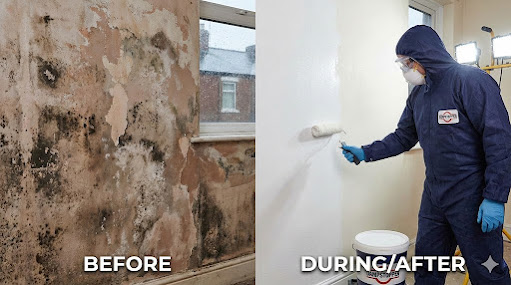
It is damp that occurs when moisture from the ground travels upward through the walls of a building. This happens because brick, plaster, and mortar are porous — meaning they absorb water like a sponge. The water rises from the ground until it reaches higher points in the walls, often causing visible damage near the floor level.
If left untreated, the damp can cause:
- Bubbling or peeling paint
- Crumbling plaster
- Musty smells
- Timber damage and skirting board rot
- Increased risk of mould growth
Rising damp is more than an aesthetic problem. It can weaken the structure of your home over time and create an unhealthy environment for your family.
How to Spot Rising Damp in Your Home
Early detection is key. Here are common signs of you should look out for:
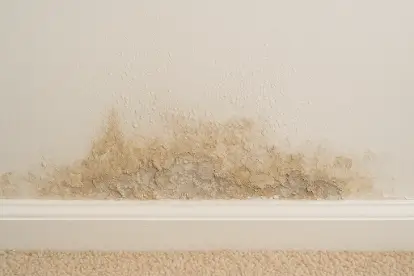
- Tide Marks on Walls – Rising damp often leaves a visible dark line along the bottom of walls. This is one of the most recognised indicators.
- Peeling Paint or Wallpaper – If paint or wallpaper is bubbling or peeling at floor level, it could be due to the damp.
- Musty Odour – It can produce a persistent, musty smell, especially in corners or behind furniture.
- Damage to Skirting Boards and Timber – Swollen, soft, or rotting timber often points to damp rising through walls.
- White Crystals (Efflorescence) – Salt deposits on walls are sometimes left behind by this damp, as water evaporates and leaves minerals behind.
Quick Insight: Rising dampness is often hidden behind furniture, under carpets, or near doors. Move items occasionally to check for early signs.
Causes of Rising Damp
The damp usually happens when the damp-proof course (DPC) in a building is missing, damaged, or blocked. Many older UK homes were built before DPCs became standard. Even modern properties can experience damp if drainage is poor or the DPC has failed.
Other common causes include:
- Cracks in walls or foundations that allow water ingress
- Poor drainage around the house or blocked gutters
- High water tables in certain areas of the UK
Understanding the cause of damp is important. It helps you choose the right treatment and ensures that the problem doesn’t return.
How to Treat Rising Damp
Rising damp treatment depends on the severity. Some minor cases can be managed at home, while serious amp may require professional intervention.
DIY Solutions for Minor Rising Damp
- Improve Ventilation – Letting air circulate through rooms can help walls dry out.
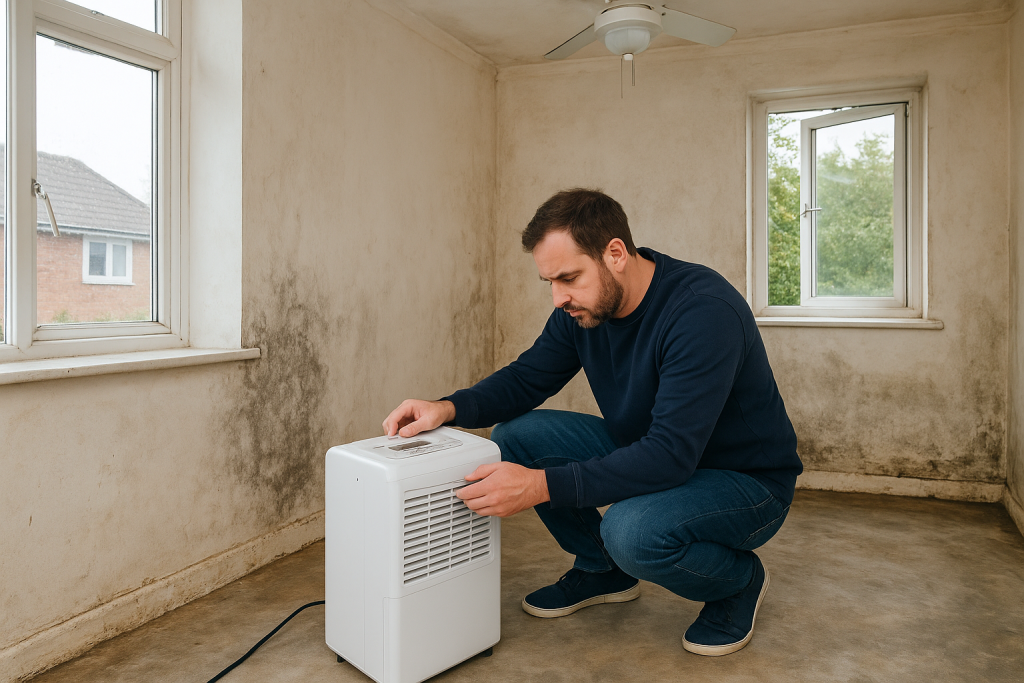
- Use a Dehumidifier – A dehumidifier removes moisture from the air, slowing down damp growth.
- Damp-Proof Creams – Some creams can be injected into walls to block moisture rising from the ground.
If you are dealing with rising damp already, we have a handy guide: 10 Best Damp Proofing Paints in the UK 2025
When to Call a Professional
If the damp has caused plaster or timber damage, or the problem affects multiple rooms, contact a damp surveyor. Professionals can:
- Identify the exact cause of damp
- Recommend long-term treatments, like chemical DPCs or membrane installation
- Ensure any repairs meet building standards
A professional survey is often worth the cost because it prevents recurring problems and more expensive repairs later.
Preventing Rising Damp
Prevention is always better than a cure. Here are practical tips to reduce the risk of damp in your home:
- Regularly Inspect Gutters and Drains – Water pooling near your walls can increase damp.
- Ensure Good Ventilation – Kitchens, bathrooms, and basements should have airflow to prevent condensation, adding to rising damp problems.
- Lift Carpets Occasionally – Allow floors to “breathe” and spot early damp signs.
- Repair Cracks Promptly – Any cracks in walls or foundations should be sealed to prevent water ingress.
- Check Your DPC – If your home is older, verify whether a damp-proof course exists and is functioning properly.
These small steps can save major repair costs later and keep your home healthy
Health Implications of Rising Damp
Rising damp doesn’t just damage property — it can also affect your health. Damp walls create an environment for mould and bacteria, which can cause:
- Respiratory issues
- Allergies and asthma flare-ups
- Skin irritation
- General discomfort and musty indoor air
Protecting your home from damp is therefore both a property and health priority.
Why Acting Early Matters
Ignoring rising damp can lead to extensive damage over time. Early action prevents:
- Expensive plaster and timber repairs
- Structural weakening of walls and floors
- Growth of mould and other harmful organisms
Spotting damp early, understanding the causes, and taking practical action is the best way to protect your home and family.
Conclusion
Rising damp is common in UK homes, but it doesn’t have to cause panic or financial stress. By learning to spot the signs, understanding the causes, and knowing your options, you can tackle damp effectively.
At DampStopper, we provide the guidance you need; from DIY solutions to professional advice, so your home stays dry, healthy, and protected.
What is Rising Damp? Answering The Most Common Questions
What’s the difference between damp and rising damp?
Damp is a general term for unwanted moisture in a building, which could be from condensation, leaks, or penetrations. Rising damp is a specific, rare type of damp.
It happens when groundwater travels up the wall structure via capillary action, pulling salts and moisture from the soil. It only affects the lower portion of walls, usually less than one metre high.
Does rising damp only happen when it rains?
No. The damp is caused by groundwater constantly being pulled up from the earth through a defective or missing damp-proof course.
The moisture source is continuous groundwater, not just rain. Heavy rain can make it worse, but the problem is always present if the DPC is faulty.
Does building insurance cover rising damp?
Generally, no. Most standard building insurance policies consider damp to be a defect caused by gradual damage or poor maintenance, specifically a failed DPC.
Insurance usually only covers sudden, unexpected events like burst pipes or flood damage. You must usually pay for DPC repairs yourself.
How long does it take for rising damp to appear?
It can take months or even years to notice it.
Since the process involves groundwater slowly moving up through the masonry, the signs like tidemarks, peeling wallpaper, and crumbling plaster appear gradually. It’s often only noticeable after the decorative surface is ruined.
What can be mistaken for rising damp?
Rising damp is frequently misdiagnosed. The most common lookalikes are:
– Condensation: Usually seen high up or behind furniture, often with black mould.
– Penetrating Damp: A localized issue caused by external defects such as a leaky gutter or cracked render that appears in patches, often high up.
– Hygroscopic Salts: Salts left by old leaks or chimney use that naturally draw moisture from the air, making the wall feel damp even if the rising water source is gone.
Who is responsible for rising damp in a leasehold flat?
Responsibility usually lies with the person responsible for maintaining the structure.
Freeholder or Management Company: Typically responsible for external walls, foundations, and the DPC, as these are structural elements.
Leaseholder: Usually responsible for decorative finishes like plaster, paint, or wallpaper inside the flat.
If rising damp is confirmed, the Freeholder will most likely be responsible for fixing the DPC itself
Is rising damp common in old houses?Is rising damp common in old houses?
Yes, it is much more common in older houses, especially those built before the 1930s. Older homes may have no DPC installed at all, or original DPCs made of slate or bitumen may have failed or been bridged by external concrete paths built too high. Modern houses rarely suffer from true rising damp due to effective DPC membranes.
Is it expensive to fix rising damp?
Yes, it can be expensive because it involves structural work. Fixing true rising damp involves:
– Chemical Injection DPC: Injecting a new chemical barrier into the mortar course, usually the cheaper option.
– Physical DPC Replacement: Cutting into the wall to install a new membrane, which is more disruptive and costly.
– Replastering: All affected plaster must be stripped and replaced with specialized salt-resistant plaster, as the old plaster is contaminated. Costs vary based on wall length and how much plaster needs replacing.