Condensation on Windows: Causes and Fixes
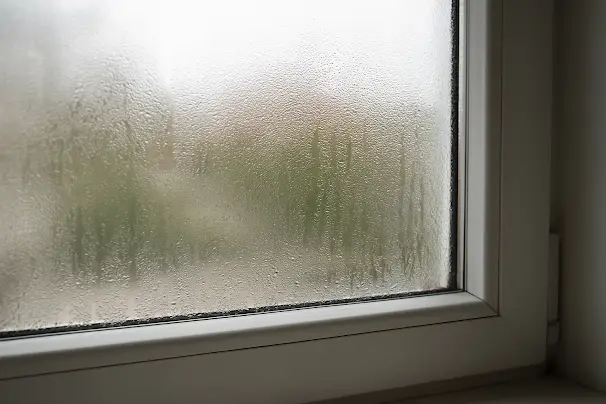
You notice it first thing in the morning: a fine mist of water beading along the glass, little droplets pooling on the sill. Sometimes it’s the bedroom windows, sometimes the kitchen after cooking, and sometimes it’s even inside the double glazing where you can’t reach it.
It’s easy to ignore at first. A quick wipe, and it’s gone.
But the truth is, condensation on windows is one of those small household issues that can quietly grow into something much bigger.
Left long enough, it can damage your window frames, encourage mould, and even affect the air you breathe indoors.
This guide explores why condensation on windows occurs, the different types (inside, outside, and between panes), and how to fix or prevent it — for good.
Why Condensation on Windows Occurs
Let’s start simple. Condensation happens when warm, moist air touches a cooler surface. The drop in temperature causes water vapour to turn back into liquid droplets — just like the mist on a cold drink in summer.
Your windows, being some of the coldest surfaces in a room, are usually the first place to show it.
But not all condensation is the same, and it can happen for slightly different reasons depending on where it appears — on the inside, outside, or between glass panes.
Quick Insight: Condensation on the inside of your windows usually means there’s too much moisture in the air indoors. Condensation between panes often signals a seal failure in double glazing. And condensation on the outside generally means your windows are doing a great job insulating, though it can still be frustrating to look through.
Several factors make condensation on windows more likely:
- High humidity indoors (especially during winter when windows are closed)
- Temperature differences between indoors and outdoors
- Poor ventilation or airflow
- Double-glazing seal wear and tear
The real challenge isn’t just removing condensation on windows when you see it — it’s understanding why it’s happening in your home specifically, and fixing the source.
What Causes Condensation Inside Windows
This is the most common type: condensation inside windows, or on the inner glass surface. It usually appears when the warm, moist air indoors meets the cooler glass and turns into droplets.
You’ll see it most during cold months, when the heating’s on, and the windows stay tightly shut. The air inside can’t escape, and that moisture ends up on your glass instead.
Here’s a closer look at what’s happening and why:
Main Causes
- Every day household moisture — Cooking, showering, boiling the kettle, or drying clothes indoors all release water vapour into the air.
- Poor ventilation — If windows, trickle vents, or extractor fans are blocked or underused, the moisture has nowhere to go.
- Temperature difference — Warm indoor air hitting a cold surface (especially in winter) creates the perfect conditions for condensation.
- Closed-up homes — Modern, energy-efficient houses seal in heat well but also trap humidity.
Quick Insight: A typical family of four can produce over 10 to 20 litres of moisture a day, just by breathing, cooking, and cleaning. Without enough airflow, that moisture ends up on your windows.
Why Condensation on Windows Matters
Not all condensation is harmless. If you’re wiping your windows daily or finding damp patches on sills, it’s a warning sign. Left unchecked, high indoor humidity can lead to:
- Mould growth on walls, curtains, or corners
- Wooden window frames are starting to rot or swell
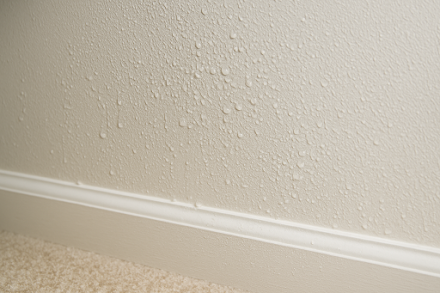
- Paint bubbling or wallpaper peeling
- A musty, damp smell in rooms
Editor’s Insight: Buy a small digital hygrometer (they cost under £10). It’ll tell you your indoor humidity level at a glance. Ideally, keep it between 40% and 60%. Anything higher means the air’s holding too much moisture.
When Condensation on Windows is Between the Panes
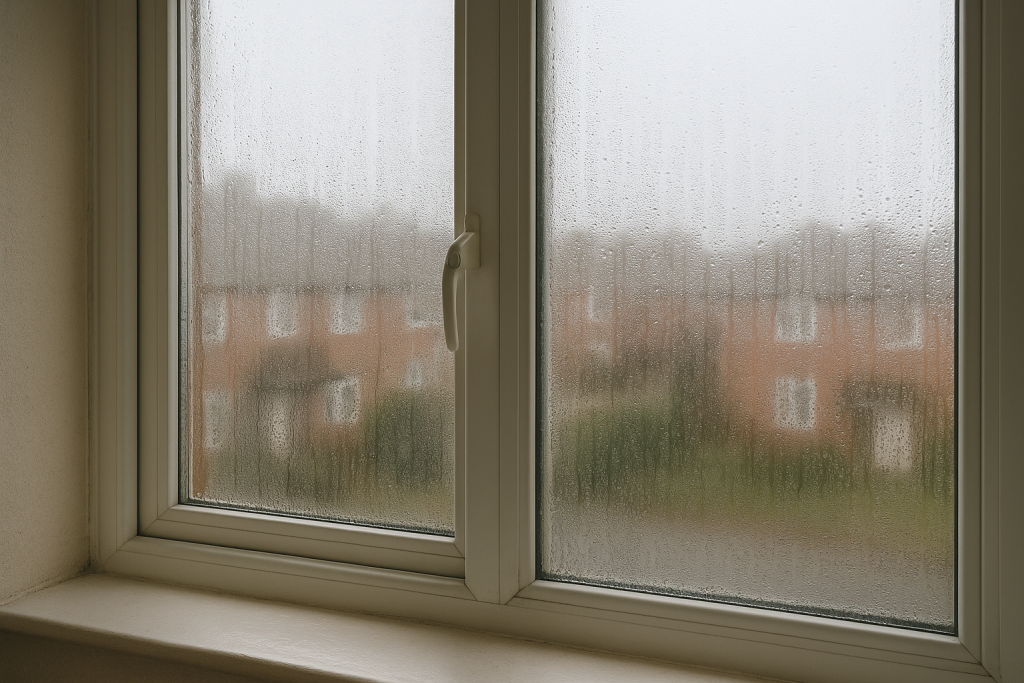
Sometimes you’ll spot water or fog inside the double-glazing unit itself — not on the surface. That’s not normal condensation. It means the window’s seal has failed, allowing air and moisture to seep into the gap.
Unfortunately, once that happens, the unit has lost its insulation barrier and can’t be resealed from the inside.
- Short-term fix: None, really — you can’t wipe it away.
- Long-term fix: Replace the sealed unit (the frame usually stays fine).
Practical Step: Before paying for new glazing, check whether your windows are still under warranty. Most modern double-glazed units carry a 5–10 year guarantee on the seal.
Common Indoor Triggers
- Cooking without lids or an extractor fan
- Long hot showers in small bathrooms
- Drying clothes on radiators
- Blocked trickle vents or no window ventilation
- Sealed-up fireplaces are reducing natural airflow
If you fix or manage these, you’ll often notice the problem fading within days. Sometimes, a simple habit change — like cracking a window open for ten minutes after a shower — is all it takes.
What Causes Condensation on the Outside of Windows
It can be strange seeing condensation on the outside of your windows — especially when everything indoors feels dry and comfortable. You wipe it, and it’s on the outside, not the inside. So what’s going on?
Here’s the thing: this kind of condensation usually isn’t a problem at all. In fact, it’s often a sign that your windows are doing their job properly.
When your double-glazed windows are well-insulated, the outer pane stays cool while the indoor warmth stays trapped inside. On clear, cool mornings, the air outside may contain more moisture than the glass surface can hold — so droplets form on the outside.
That’s why you tend to notice it:
- Early in the morning, after a cold, still night
- During spring or autumn, when humidity is high but temperatures are mild
- On newer, energy-efficient windows with low-emissivity coatings
Editor’s Insight: If condensation on windows appears outside but never inside, it means your glazing is doing a great job of keeping heat in. It’s the same effect that stops heat escaping through the glass — just visible proof that your insulation is working.
Why Outside Condensation Can Still Be Annoying
While it’s not a structural issue, exterior condensation can be a nuisance. You wake up to foggy glass you can’t see through, especially on bedroom or conservatory windows. It can even leave streaks when it dries, particularly on large panes or patio doors.
A few practical reasons it may linger longer in some homes:
- The windows are shaded by trees or buildings, slowing evaporation.
- There’s little airflow around the glass (for instance, in alcoves or enclosed balconies).
- The glass has a very high thermal performance rating — it holds indoor heat so effectively that the outer pane stays cooler for longer.
How to Reduce Condensation on the Outside of Windows
You can’t eliminate it completely — nor should you try to, since it’s a side effect of energy-efficient glass. But you can make it less noticeable or shorter-lived.
Practical Step: If exterior condensation bothers you visually, try one or more of these fixes:
- Encourage airflow: Trim back nearby shrubs or trees that block morning air circulation.
- Add gentle warmth: Install a canopy or awning above the affected window to slightly raise surface temperature overnight.
- Upgrade coatings: Ask a glazing specialist about anti-condensation glass coatings, which make water form a thin, clear film rather than droplets.
- Use trickle ventilation: Though primarily for indoor humidity, these vents can slightly balance temperatures near the glass.
Editor’s Insight: If condensation is always on certain windows and never on others, check whether the affected ones face a different direction. North- and east-facing glass tends to stay cooler in the mornings, which encourages exterior misting.
4. Is Window Condensation a Sign of a Bigger Problem?
Most of the time, condensation is just humidity meeting glass — nothing more. But occasionally, it’s the symptom of an underlying issue you shouldn’t ignore.
Let’s break it down clearly.
When Condensation Is Harmless
- Appears outside windows only (often in the mornings).
- Comes and goes quickly once sunlight or air movement warms the glass.
- No signs of dampness or mould indoors.
- Frames and sills stay dry to the touch.
This is simply normal moisture behaviour, not a fault.
When Condensation on Windows Means Trouble
If you see persistent condensation inside windows, especially alongside other damp signs, it’s worth investigating further.
Look for:
- Black mould around window frames or on nearby walls.
- Damp smells, peeling paint, or softened plaster.
- Wooden frames are swelling or beginning to rot.
- Water pools on sills for hours after you’ve wiped them.
These signs point to chronic indoor humidity — a mix of poor airflow and excessive moisture. Over time, it can affect both your home’s structure and your health.
Be Warned! Long-term exposure to indoor damp can worsen respiratory conditions like asthma and allergies. Addressing condensation on windows early prevents it from turning into a genuine damp or mould problem.
Related guide you may want to read: Condensation in Lofts: Hidden Moisture Problems.
When Condensation Between Panes Becomes an Energy Issue
Moisture trapped between panes isn’t just unsightly — it also means your insulation has failed. Once the inner gas layer (often argon) leaks out, your windows lose a lot of their efficiency. You might notice:
- Cold draughts even when the window’s shut
- Higher heating bills
- A general “cold edge” near windows in winter
In that case, it’s more than an appearance issue — it’s costing you energy. Replacing the affected sealed units restores both the view and your thermal protection.
How to Stop Condensation on Windows
If you’re wiping down your windows every morning, it’s time to get to the root of it. Stopping condensation on windows isn’t about one quick fix — it’s about reducing moisture, improving ventilation, and balancing indoor temperature.
Let’s look at practical ways to get there.
Daily Habits That Make a Real Difference
You can lower indoor humidity just by changing a few everyday habits.
Practical Step: Try these simple routines — they cost little but add up fast.
- Let fresh air in: Open windows for ten minutes each morning, even in winter. It quickly replaces moist air with drier outdoor air.
- Use extractor fans properly: Turn them on before you cook or shower, and leave them running for ten minutes after.
- Lids on pans: A lid traps steam and keeps humidity down in the kitchen.
- Dry clothes smartly: Avoid radiators. If you must dry indoors, open a window nearby or use a vented tumble dryer.
- Keep doors closed during showers or cooking: It stops steam from spreading through the house.
Improving Airflow Around Your Windows
Condensation thrives in still air. A bit of movement can prevent moisture from sitting on the glass.
- Unblock trickle vents: Those slim vents on window frames aren’t decorative — they let in a steady flow of air, even when windows are closed.
- Leave space around curtains: Heavy drapes can trap humid air against the glass. Leave a small gap for airflow.
- Avoid clutter near sills: Furniture or plants pressed up against windows restricts circulation.
- Use ceiling or wall fans on low settings: Gentle air movement helps moisture evaporate before it condenses.
Home Upgrades That Tackle Condensation for Good
If you’ve done the small stuff and the problem keeps coming back, it might be time for a few home improvements that get to the heart of the issue.
- Install trickle vents if your windows don’t already have them. They provide constant background ventilation without big heat loss.
- Fit extractor fans with humidity sensors — they switch on automatically when moisture levels rise.
- Use a dehumidifier in persistently damp rooms. Look for one with an auto mode that maintains healthy humidity.
- Insulate cold walls behind furniture or near windows — temperature differences encourage condensation.
- Check your heating balance. Unevenly heated rooms can cause cold spots on glass and walls.
Practical Step: If condensation only happens in one room, it’s usually an airflow issue, not a whole-house one. Walk around on a cold morning — you’ll quickly spot where air isn’t moving, or warmth isn’t reaching.
6. How to Prevent Condensation Inside Double-Glazed Windows
Double glazing should reduce condensation, not cause it — but only if the seals and insulation are intact. Here’s how to keep it that way.
Regular Maintenance Goes a Long Way
- Check seals annually. Look for gaps, cracks, or loose beading around the edges of the glass.
- Clean frames properly. Dirt or debris can break down rubber seals over time.
- Don’t paint over ventilation gaps. It might look neat, but it blocks air movement that prevents moisture build-up.
- Inspect weep holes. These tiny drainage points at the bottom of frames let moisture escape — if they’re blocked, condensation builds up fast.
Upgrading for Long-Term Prevention
Sometimes the issue isn’t wear and tear, its age. Older double glazing simply wasn’t built to today’s standards.
If you’re replacing or upgrading, consider:
- Low-emissivity (Low-E) glass: Reflects heat back into the room, keeping the inner pane warmer and reducing condensation risk.
- Warm-edge spacers: Replace metal spacers with composite ones that don’t conduct cold.
- Gas-filled units: Argon or krypton gas between panes improves insulation and lowers surface cooling.
- Anti-condensation coatings: Hydrophilic coatings spread water evenly over the surface so droplets don’t form visibly.
7. Quick Insight Wrap-Up: Understanding Window Condensation
Condensation isn’t always bad news. Sometimes it’s a clue that your home is well-insulated — especially when it appears on the outside. But when it’s on the inside, or worse, trapped between panes, it’s telling you that moisture has nowhere to go.
The trick is knowing which kind you’re dealing with and acting early.
- Inside the glass: Improve ventilation and humidity control.
- Between panes: Seal failure — replace the unit.
- Outside the glass: Usually harmless; it means your insulation’s working.
Final Thoughts
Condensation on windows is one of those household quirks most people live with — until it starts leaving black specks on walls or fogging up double glazing from the inside. The good news? It’s fixable, and often without big expense.
Understanding where it’s forming — inside, outside, or between panes — tells you exactly what to do next. A bit of daily ventilation, balanced heating, and occasional window maintenance go a long way to keeping your glass clear and your air healthy.
So next time you notice droplets on the window, don’t just wipe them away — see them as a gentle warning. Your home’s telling you something.
FAQs Covered: Condensation on Windows
Can new double-glazed windows still get condensation?
Yes, and it can actually be a good sign. Modern double glazing keeps indoor heat in so effectively that the outer glass can stay cool enough for morning dew to form. That’s just outside condensation, not a fault in the window itself.
Will using a dehumidifier stop window condensation completely?
Not completely, but it helps a lot. A dehumidifier removes excess moisture from the air, especially useful in winter when you can’t open windows often. It’s best used in the rooms that fog up most, like bedrooms or living spaces with lots of soft furnishings.
Can window condensation cause health problems?
Not directly, but the dampness it leaves behind can. Persistent moisture encourages mould growth, and mould spores can trigger breathing issues, allergies, or sinus irritation. Keeping humidity balanced and cleaning problem spots quickly helps avoid this.
Why does condensation form more on some windows than others?
It often comes down to orientation and airflow. North- and east-facing windows stay cooler and get less sun, so moisture hangs around longer. Rooms with poor ventilation or blocked trickle vents also tend to show more condensation than open, airy spaces.
Should I replace windows with condensation on the inside?
Only if the condensation is between panes and won’t wipe away. That means the seal is broken. But if it’s on the room-facing surface, replacing the window won’t solve the problem — improving ventilation will.
Does keeping the heating on low all day reduce condensation?
Surprisingly, yes. Big temperature swings between day and night encourage condensation. Keeping your home gently heated maintains a stable temperature, which helps the glass stay slightly warmer and reduces the amount of moisture that condenses.
Are anti-condensation window coatings worth it?
They can be. These coatings make water spread into a thin, clear film instead of droplets, so the glass doesn’t look misted up. They’re especially useful for homes with large patio doors or windows that face shaded gardens where air circulation is poor.