Understanding Condensation in UK Homes
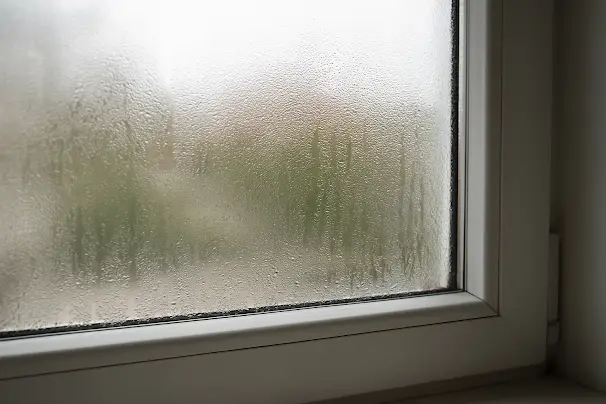
Walk into almost any UK household on a winter morning, and you’ll see the same thing: windows misted up with little rivulets of water running down to the sill.
For many homeowners, this is just an accepted part of living through cold, damp winters. Wipe it away, open a window for a bit, and carry on.
But behind those steamy panes, a bigger story is unfolding. Condensation, when it lingers, is more than just an inconvenience; it’s the first warning sign of hidden dampness, mould, and long-term damage to your property.
So, what exactly is condensation, and why does it cause such persistent problems in British homes?
To understand it properly, we need to look at both the science and the very practical reality of how UK houses are built and lived in.
What Is Condensation, Really?
Condensation happens when warm, moist air cools down and can no longer hold onto all its water vapour. That extra moisture turns into liquid water, which clings to the nearest cold surface.
In scientific terms, the air has reached its “dew point.” In everyday terms, it’s what you see when your bathroom mirror fogs up after a hot shower or when your kitchen window drips after boiling a pan of pasta.
The main places you’ll notice condensation at home are:
- Windows and mirrors – the classic “sweaty glass” effect.
- External walls and ceilings – especially in the corners where air circulation is poor.
- Behind large furniture – wardrobes or sofas pushed up against outside walls.
- Inside cupboards – particularly those on cold external walls.
Unlike rising damp, which pulls moisture up from the ground, condensation is about what’s happening in the air inside your home.
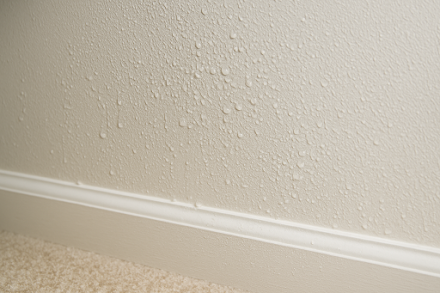
But the end result can look just as damaging if it’s ignored: flaking paint, peeling wallpaper, mould blooms, and even decay in the timber framework of your property.
Why Is Condensation Such a Big Problem in the UK?
Here’s where the UK’s unique housing stock and climate really come into play. Condensation can happen anywhere in the world, but it thrives in Britain for a few key reasons:
- Cool, Damp Winters: The UK doesn’t usually get extreme cold, but it does get long, damp spells with chilly outdoor temperatures. That’s the perfect environment for condensation because it keeps our walls, windows, and roofs cold for weeks at a time.
- Older Housing Stock: Many homes in Britain, especially Victorian and Edwardian terraces or pre-war semis, were built without modern insulation. Solid walls, single-glazed windows, and draughty lofts mean cold surfaces are everywhere. Even newer builds sometimes cut corners with ventilation, making matters worse.
- Indoor Lifestyle Habits: We don’t always realise how much moisture we add to the air every day. Cooking, boiling kettles, having hot showers, even just breathing – an average family of four can release 10–15 litres of water vapour daily. In a well-ventilated house, this can escape. In a tightly shut, poorly ventilated home, it lingers and lands on cold surfaces.
- Furniture and Layout Choices: Many UK homes, especially smaller ones, don’t have the luxury of space. Big wardrobes against outside walls, or sofas tucked into corners, cut off airflow. The air behind them cools, and condensation sneaks in where it’s least visible.
In other words, it’s not just about the weather outside; it’s also about how our homes are put together and how we live in them.
The Science Behind Condensation Made Simple
You don’t need to be a physicist to understand condensation, but a little science helps.
- Warm air holds more moisture than cold air.
- When warm air touches a cold surface, it cools down.
- Once cooled past its dew point, the moisture condenses into liquid.
Imagine your kitchen on a winter’s evening. You’re cooking pasta, and the steam fills the room. If you’ve got a single-glazed window, the warm, humid air will hit that cold glass and instantly form water droplets. Double glazing helps because the inside pane stays warmer, reducing the chance of hitting that dew point.
This is why insulation and heating matter so much: the warmer the surface, the less likely moisture is to condense on it.
Common Places Where Condensation Strikes
Let’s walk through a typical UK house and point out the danger zones:
- Living room windows – classic spot, especially in the morning after a night of closed windows and no ventilation.
- Bathroom walls and ceilings – hot showers, little ventilation, cold corners.
- Kitchens – the epicentre of steam production. Without extractor fans, water vapour lingers and spreads.
- Bedrooms – often overlooked, but breathing all night in a closed room produces litres of water vapour, which explains why bedroom windows often mist up.
- Behind furniture – condensation here often goes unnoticed until mould stains appear.
Spotting these areas is half the battle because condensation doesn’t always show up where you expect it.
Condensation vs Other Types of Damp
One of the biggest challenges for UK homeowners is telling condensation apart from other damp problems. They can look similar, but the solutions are very different.
- Condensation – appears on cold surfaces, especially windows and corners. Seasonal, often worse in winter.
- Rising damp – starts from the bottom of walls, leaving tide marks, salt deposits, and crumbling plaster. Caused by water travelling up from the ground.
- Penetrating damp – water coming in from outside through leaks, damaged gutters, or porous brickwork.
Misdiagnosis is common and expensive. Many people spend thousands on damp-proof courses for what is really a condensation issue. Knowing the difference is essential before taking action.
Why Early Awareness Matters
It’s tempting to shrug off condensation as “just winter stuff.” But the longer it goes unchecked, the bigger the consequences:
- Mould growth – not just unsightly but a genuine health hazard.
- Damage to finishes – bubbling paint, peeling wallpaper, and stained plaster.
- Structural impact – damp timber can eventually rot, affecting floors and window frames.
- Financial cost – from redecorating every year to serious repairs down the line.
The good news? Condensation is often easier to fix than rising or penetrating damp. The key is knowing what you’re dealing with and acting before the damage becomes too embedded.
Spotting and Understanding the Risks
If condensation were always obvious, most homeowners would deal with it straight away. A wet window ledge, a fogged-up bathroom mirror – easy enough to spot and wipe clean. The real problem is that condensation doesn’t always announce itself so loudly.
It creeps in quietly, settling behind furniture, under flooring, or inside cupboards where you might not look until the damage has already been done. By the time mould shows up, the problem has usually been festering for weeks or months.
In this section, we’ll look at how to recognise condensation in its early stages, what sort of damage it can cause to your home, and the very real health risks it poses. We’ll also cover one of the biggest pitfalls for UK homeowners: mistaking condensation for other types of damp.
The Subtle Signs of Condensation
Most people only notice condensation when it’s staring them in the face on windows. But there are plenty of other signs worth keeping an eye out for:
- Misty Windows and Mirrors: If your windows are regularly dripping with water, especially in the mornings, it’s a sign the air in your home is holding too much moisture overnight. The same goes for bathroom mirrors that stay fogged long after your shower.

- Water Droplets on Walls and Ceilings: Look in the corners of rooms or near external walls. Condensation often starts in these colder spots, leaving faint damp patches that darken over time.
- Mould Growth: This is the big one. Black mould on silicone sealant around windows, grey patches behind furniture, or green spores creeping up corners – all classic results of untreated condensation.
- Peeling Paint or Bubbling Wallpaper: Moisture weakens paint and wallpaper paste. Over time, you’ll notice bubbling, blistering, or whole strips of wallpaper lifting away.
- Musty Smells: Even before mould becomes visible, condensation can leave a stale, damp odour. Bedrooms, under-stair cupboards, and behind wardrobes are common trouble spots.
- Damage to Fabrics and Belongings: Clothes stored in wardrobes on cold external walls may feel damp or develop a mouldy smell. Cardboard boxes and books stored in lofts or under beds can also become musty.
Editor’s Caution! Don’t just check what you can see. Pull wardrobes a few inches away from external walls and take a torch to skirting boards, corners, and behind radiators. These are prime hiding places for condensation.
How Condensation Damages Your Home
Left unchecked, condensation can wreak havoc on both the look and the structure of your property. Here’s how:
- Decorative damage – Paint, wallpaper, and plaster are the first casualties. A freshly redecorated room can look shabby within months if condensation takes hold.
- Rotting timber – Window frames, skirting boards, and even floor joists can slowly rot if exposed to repeated moisture. Unlike cosmetic damage, timber decay can affect the structural safety of your home.
- Corrosion of metal – You may notice rust on nails, screws, or even radiators in particularly damp rooms.
- Insulation problems – Once insulation in walls or lofts becomes damp, it loses its effectiveness. Cold spots become worse, fuelling even more condensation in a vicious cycle.
- Stained ceilings and walls – Watermarks, particularly around corners and ceiling edges, are often dismissed as leaks when in fact they’re the result of trapped moisture.
The Health Risks of Condensation You Shouldn’t Ignore
Condensation isn’t just a home maintenance issue – it’s a health issue too. Mould, which thrives on damp surfaces, releases tiny spores into the air. When inhaled, these spores can trigger or worsen a range of health problems.
According to the NHS and UK Health Security Agency, common health risks include:
- Asthma flare-ups – Damp and mould can trigger asthma attacks and make symptoms worse.
- Allergies – Mould spores act as allergens, causing sneezing, itchy eyes, and blocked noses.
- Respiratory infections – Prolonged exposure can increase susceptibility to chest infections, particularly in vulnerable groups.
- Skin irritation – Some people experience rashes or eczema flare-ups.
- General poor well-being – Headaches, fatigue, and low mood have all been linked to living in damp, mouldy environments.
The risks are particularly high for babies, young children, the elderly, and anyone with a pre-existing health condition.
It’s no coincidence that mould is often found in housing disrepair cases – it’s seen as a genuine threat to health, not just a cosmetic problem.
Why Misdiagnosis Costs Homeowners Dearly
One of the most frustrating realities we’ve seen at DampStopper is how often condensation gets mistaken for something else.
The symptoms can mimic rising damp or penetrating damp, and many homeowners end up paying for the wrong solution.
Here’s a scenario we’ve come across time and again:
- A family notices black mould on their living room wall.
- A contractor, without a proper survey, tells them it’s rising damp.
- They pay thousands for a damp-proof course injection.
- A year later, the mould is back – because the real culprit was condensation caused by blocked air vents and heavy furniture against an external wall.
The moral? Always confirm the source of damp before committing to big repairs. A moisture meter or professional damp surveyor can save you serious money.
Hidden Condensation: The Sneaky Stuff
Not all condensation is obvious. Some of the most damaging issues happen in places you rarely check:
- Condensation under laminate or vinyl flooring – Moisture can gather unseen, leading to warped floors or even dry rot in the joists.
- Condensation inside lofts – Warm air rises, meets a cold roof surface, and condenses. The result? Damp insulation, mouldy rafters, and even roof damage.
- Condensation in built-in wardrobes – Especially those fixed to outside walls. Clothes and stored items often show the first signs.
- Condensation around the window reveals – The corners and edges where frames meet plaster often show mould first.
By the time you discover it, the damage may already be significant – which is why prevention (covered in Part 3) is always the smarter move.

Why Early Action Matters
Condensation isn’t something that improves on its own. In fact, it tends to escalate. The early signs – misty windows and musty smells – may feel trivial, but they often mark the beginning of a long-term issue that only gets worse with time.
By spotting condensation early, you:
- Save money on redecorating and repairs.
- Protect your health and your family’s well-being.
- Avoid major structural issues in timber and insulation.
- Keep your home more comfortable and pleasant year-round.
Prevention, Solutions, and Long-Term Condensation Fixes
By now, it’s clear that condensation isn’t just a cosmetic nuisance – it’s a creeping problem that can damage your home and affect your health.
The good news is that, unlike rising damp or structural leaks, condensation is usually preventable. With the right mix of habits, small fixes, and, where necessary, bigger investments, you can stop it before it takes hold.
This section explores practical steps UK homeowners can take – starting with the easy, everyday habits, moving on to DIY solutions, and finally covering the long-term strategies that deliver lasting protection.
Daily Lifestyle Condensation Fixes
The first line of defence against condensation doesn’t cost anything – it’s about how you use your home.
- Ventilation Matters
- Open windows for at least 10–15 minutes a day, even in winter. A short blast of fresh air is more effective than leaving them ajar all day.
- Use extractor fans when cooking or showering. If yours is weak or noisy, consider upgrading – a modern, quiet model is far more effective.
- Don’t block vents or air bricks. They might seem draughty, but they’re designed to keep your home breathing.
- Reduce Moisture at the Source
- Always cover pans when cooking.
- Boil only the amount of water you need – kettles produce surprising amounts of steam.
- Dry clothes outside when possible. If you must dry indoors, use a clothes airer in a well-ventilated room rather than radiators.
- Keep Air Moving
- Leave small gaps behind furniture against external walls. Even 5–10 cm makes a difference.
- Keep internal doors open to let air circulate, especially after cooking or bathing.
- Maintain Steady Heating
- Sudden blasts of heat followed by long cooling periods encourage condensation. Keeping your home at a consistent, moderate temperature helps surfaces stay warm enough to prevent moisture from forming.
Related article you may want to read: Condensation on Windows Overnight: Why It Happens and What You Can Do
DIY Tools and Gadgets That Help
Sometimes lifestyle changes aren’t enough, especially in smaller homes or flats. A few budget-friendly tools can make a big difference:
- Moisture meters or hygrometers – These measure indoor humidity. Aim for 40–60% house humidity levels. Anything consistently above 65% is a red flag for condensation.
- Dehumidifiers – Portable models are excellent for bedrooms, living rooms, or laundry areas. Desiccant dehumidifiers work well in cooler spaces like lofts.
- Moisture absorbers – Simple tubs or sachets with desiccant crystals (like silica gel) are cheap, silent, and effective for wardrobes, cupboards, or under beds.
- Trickle vents – Small slots fitted at the top of modern windows that allow continuous airflow without creating a draught. If you’re replacing windows, insist on these.
These solutions don’t tackle the root causes, but they provide valuable relief – especially in winter when condensation is at its worst.
Bigger Investments for Long-Term Prevention
For homeowners with persistent condensation, or those renovating or upgrading their homes, bigger investments may be necessary.
- Insulation Improvements
- Loft insulation – Reduces heat loss and keeps ceilings warmer, preventing condensation in bedrooms.
- Cavity wall insulation – Where suitable, this reduces cold surfaces inside your home.
- Solid wall insulation – More expensive, but essential for many Victorian or Edwardian homes.
- Window Upgrades
- Double or triple glazing dramatically reduces condensation because the inside pane stays warm.
- Secondary glazing is a cheaper alternative for period properties where double glazing isn’t allowed.
- Ventilation Systems
- PIV (Positive Input Ventilation) – Introduces filtered, drier air into the home, pushing out stale, moist air. Common in flats and older houses.
- MVHR (Mechanical Ventilation with Heat Recovery) – A whole-house system that extracts moist air and recycles the heat into incoming fresh air. Costly, but highly effective in modern airtight homes.
- Mould-Resistant Finishes
- Special paints and sealants can be used in problem areas like bathrooms and kitchens. They won’t solve condensation, but they buy extra protection.
When to Call a Professional
Not every condensation issue can be solved with DIY. Here’s when you should bring in an expert:
- Recurring mould despite your best efforts.
- Damage to plaster or timber, suggesting a deeper moisture issue.
- Uncertainty about the cause – is it condensation, rising damp, or penetrating damp?
- Large properties where airflow and insulation are complex.
A professional damp surveyor can use specialist tools to diagnose the true cause and recommend tailored solutions. This avoids the costly mistake of paying for damp-proof injections or structural work that won’t fix the problem.
Common Mistakes to Avoid When Dealing with Condensation
Through our work at DampStopper, we’ve seen homeowners repeat the same errors. Here are the big ones to avoid:
- Painting over mould – It always comes back unless you tackle the moisture behind it.
- Blocking vents – Covering air bricks or closing trickle vents traps the very moisture you’re trying to get rid of.
- Relying on heating bursts – Blasting the heating for an hour and turning it off doesn’t stop condensation. Consistency is key.
- Ignoring small patches – A bit of black mould in the bathroom may seem harmless, but it’s often the tip of the iceberg.
A Simple Homeowner’s Checklist
Here’s a quick action plan you can run through in your own home:
- Check humidity – Use a hygrometer to see if your indoor air is too damp.
- Inspect hidden spots – Behind wardrobes, under windowsills, and in loft spaces.
- Improve ventilation – Open windows daily, use fans, and clear vents.
- Reduce moisture – Cover pans, dry clothes smartly, use lids, and extractor fans.
- Add support tools – Dehumidifier in problem rooms, moisture absorbers in cupboards.
- Plan bigger upgrades – If issues persist, look into insulation, glazing, or ventilation systems.
This layered approach – starting with habits, adding DIY tools, and investing in long-term fixes where needed – is the most reliable way to keep condensation under control.
A Final Word
Condensation is part of life in the UK, but it doesn’t have to damage your home or health. With awareness and the right approach, you can beat it. Start small by changing habits, invest in simple tools like hygrometers and dehumidifiers, and don’t hesitate to seek professional advice if problems persist.
At DampStopper, we’ve seen the relief homeowners feel when they finally get on top of condensation. Rooms stay fresh, windows clear, and mould doesn’t creep back each winter. Most importantly, your home feels healthier – not just for the walls and ceilings, but for the people living inside.